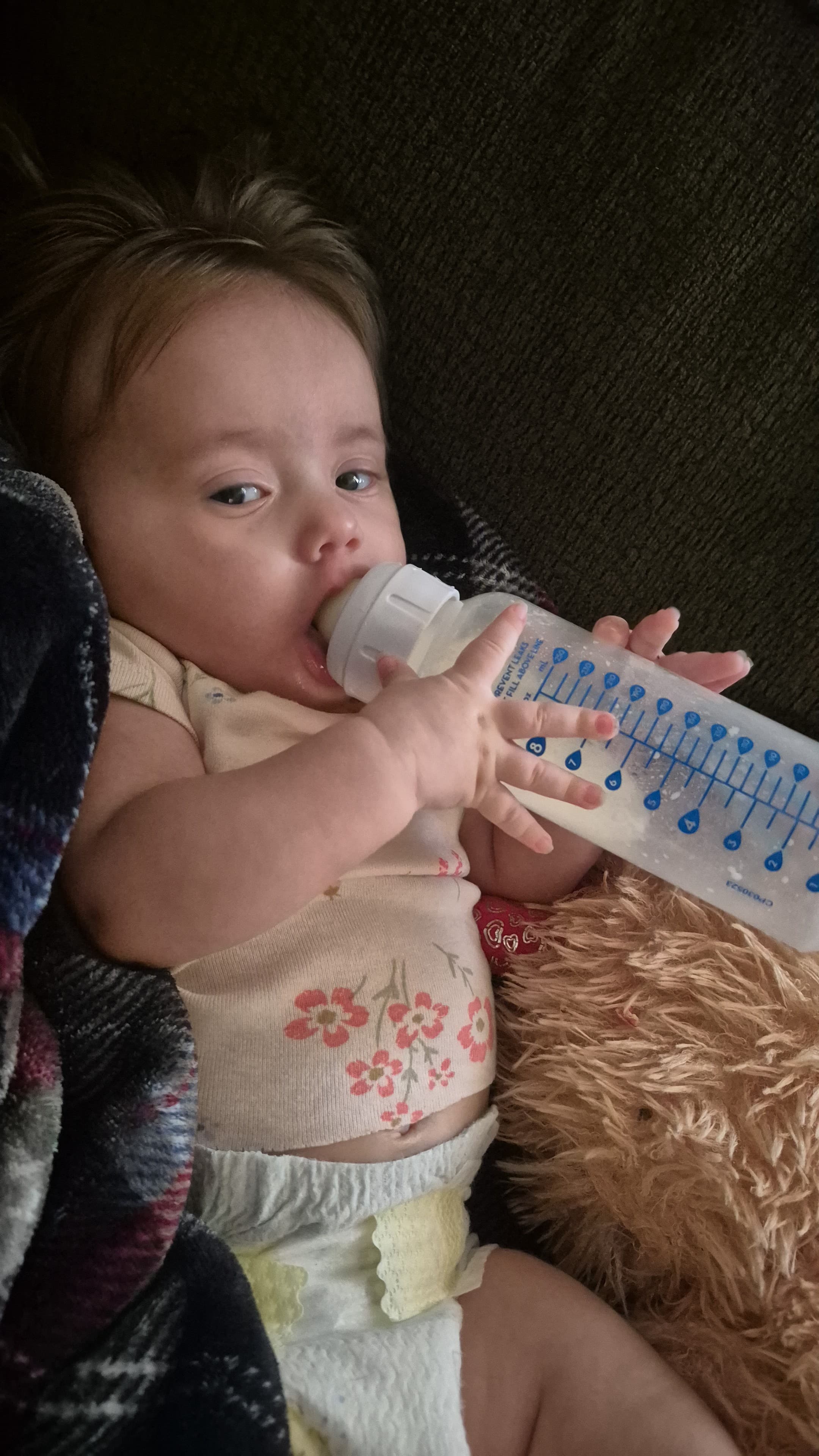
Understanding SIDS
What is SIDS?
Key Facts About SIDS
- SIDS is the leading cause of death in infants 1-12 months old
- Most SIDS deaths occur between 2-4 months of age
- 90% of SIDS deaths happen before 6 months of age
- SIDS can happen to any baby, in any family, regardless of race, socioeconomic status, or parenting quality
- Deaths typically occur during sleep, often with no signs of struggle
- SIDS rates have declined by over 50% since the "Back to Sleep" campaign began in 1994
- Boys are slightly more likely to die of SIDS than girls
- More SIDS deaths occur in fall and winter months
💜 Important: SIDS is not caused by vaccinations, choking, vomiting, or minor illnesses. It cannot be completely prevented, but the risk can be greatly reduced.
Safe Sleep Guidelines: The ABC Rule
A - Alone
Baby sleeps alone in their own safe sleep space. No co-sleeping.
B - Back
Always place baby on their back for every sleep, day and night.
C - Crib
Use a firm, flat surface with fitted sheet only. No soft bedding.
Complete Safe Sleep Checklist
- ✓ Always place baby on back to sleep for naps and at night
- ✓ Use a firm sleep surface (safety-approved crib, bassinet, or portable play yard)
- ✓ Keep baby's sleep area in the same room as you for at least 6 months (ideally 1 year)
- ✓ Keep only a fitted sheet in the crib—no pillows, blankets, bumpers, or toys
- ✓ Avoid overheating—keep room 68-72°F and dress baby in light sleep clothing
- ✓ Consider using a pacifier at naptime and bedtime (after breastfeeding is established)
- ✓ Never sleep with baby on couch, armchair, or soft surface
- ✓ Avoid bed-sharing, especially if you smoke, drink alcohol, or take medications that make you drowsy
- ✓ Use a sleep sack instead of loose blankets
- ✓ Ensure crib/bassinet meets current safety standards and hasn't been recalled
- ✓ Remove any gaps between mattress and crib sides
- ✓ Keep cords, window blinds, and decorations away from sleep area
⚠️ What NOT to Do
- Never place baby to sleep on side or stomach
- Never use sleep positioners or wedges
- Never use crib bumpers (even "breathable" ones)
- Never let baby sleep in car seat, swing, or bouncer as routine sleep
- Never sleep with baby if you've been drinking, using drugs, or are extremely tired
- Never cover baby's head or face while sleeping
Additional Ways to Reduce SIDS Risk
Before Birth
- Get regular prenatal care throughout pregnancy
- Avoid smoking, alcohol, and illicit drugs during pregnancy
- Maintain good maternal health and nutrition
After Birth
- Breastfeed if possible - Associated with reduced SIDS risk
- Keep baby smoke-free - Never smoke around baby or in spaces baby occupies
- Stay up-to-date on vaccinations - Immunizations are associated with lower SIDS risk
- Offer supervised tummy time when baby is awake to strengthen neck and shoulders
- Avoid products claiming to prevent SIDS - Most are not proven and may be dangerous
- Don't rely on home monitors - They haven't been shown to reduce SIDS
Environmental Factors
- Keep baby's sleeping area at comfortable temperature (avoid overheating)
- Dress baby in no more than one extra layer than an adult would wear
- Use a fan in baby's room - may reduce SIDS risk by improving air circulation
- Ensure smoke-free home and car at all times
When SIDS Happens: Emergency Response
If You Find Your Baby Unresponsive
- Check for response - Tap baby's foot and call their name loudly
- Call 911 immediately - Put phone on speaker so you can continue care
- Check for breathing - Look, listen, and feel for 5-10 seconds
- Begin infant CPR if trained - 30 chest compressions, 2 rescue breaths
- Continue CPR until help arrives - Don't stop unless baby responds or EMS takes over
- Follow 911 dispatcher instructions - They can guide you through CPR
💜 From Alicia's Story: We performed CPR. We called 911 immediately. We did everything we could. Sometimes it's not enough, and that's the heartbreaking reality of SIDS. But being prepared gives you the best possible chance. Please get CPR certified.
Essential Preparedness
- Get infant CPR certified - Every caregiver should know infant CPR
- Keep emergency numbers posted - 911, poison control (1-800-222-1222), pediatrician
- Have a first aid kit - Stocked with infant-appropriate supplies
- Consider having an AED - Can be lifesaving in cardiac emergencies
- Practice emergency scenarios - Know what you'd do before crisis strikes
Support for Families Affected by SIDS
Grief & Bereavement Support
- 💜 First Candle - SIDS Bereavement Support
- 💜 The Compassionate Friends
- 💜 The MISS Foundation
- 💜 GriefShare - Find a Support Group
- 💜 Alicia Mae Foundation - Contact Us
SIDS Research & Education Organizations
- 💜 NIH Safe to Sleep Campaign
- 💜 American Academy of Pediatrics - Safe Sleep
- 💜 CDC - About SIDS and Safe Infant Sleep
- 💜 First Candle
- 💜 NICHD - SIDS Research
💜 Crisis Support: If you're in crisis, call 988 (Suicide & Crisis Lifeline) or text "HELLO" to 741741 (Crisis Text Line). You don't have to face this alone.