✨ 🍽️ ✨
Safe Feeding for Infants & Toddlers
Food, Habits, Techniques & Environment Safety
🐘
🧸
🐘
Safe Foods & Age-Appropriate Guidelines
- Start with single-ingredient, pureed foods for infants (4-6 months), introducing new foods one at a time.
- For toddlers, cut foods into small, manageable pieces to prevent choking (avoid whole grapes, nuts, popcorn, hot dogs, or large raw vegetables).
- Check food temperature—avoid microwaving unevenly to prevent burns.
- Avoid added sugars, honey (for <1 year), and highly processed foods.
- Introduce allergenic foods gradually under guidance (peanut, egg, fish, dairy) while monitoring for reactions.
Feeding Techniques
- Always supervise feeding—never leave a baby or toddler unattended while eating.
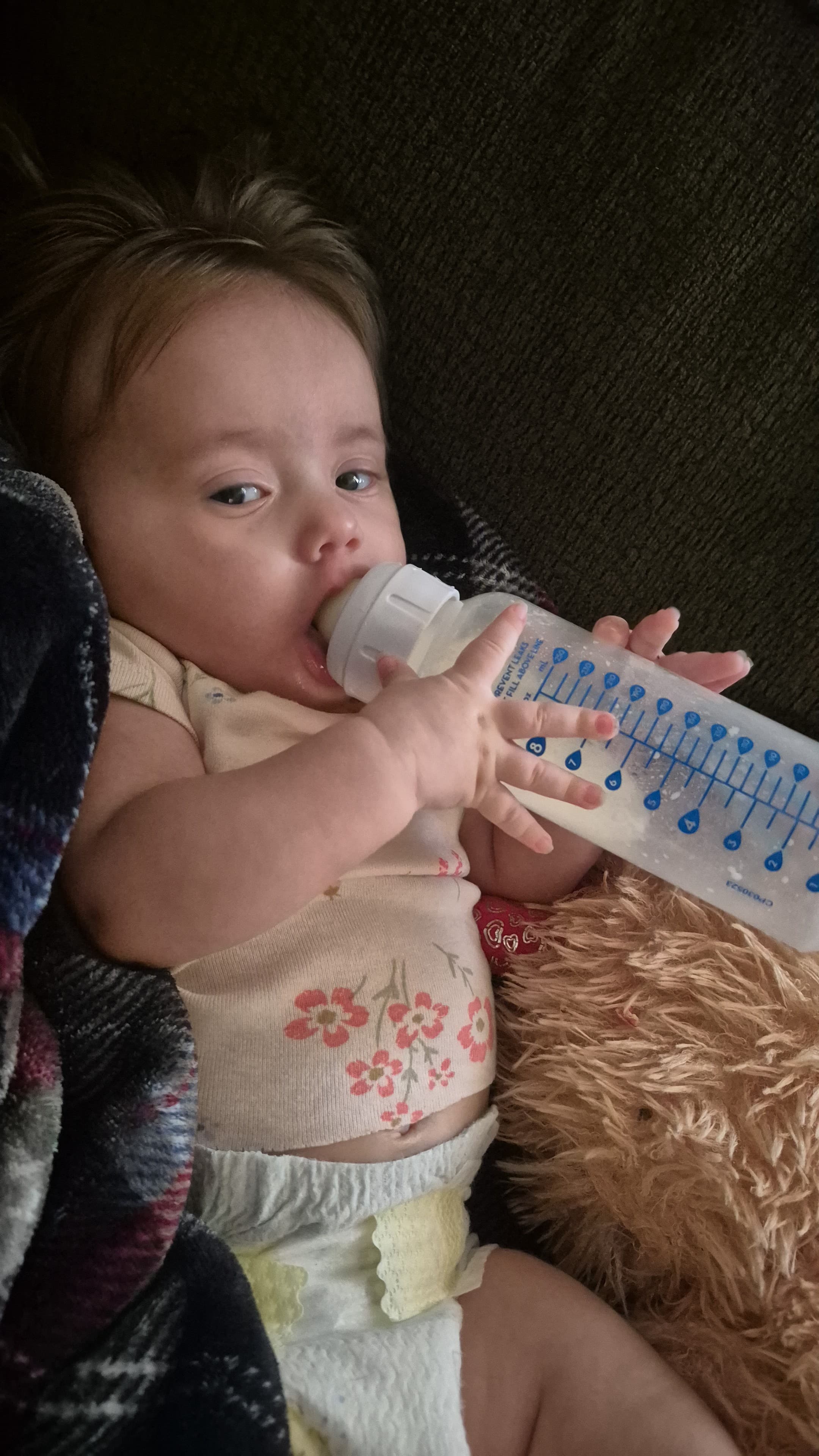
- Feed infants in a semi-upright position to reduce choking and ear infections.
- Encourage self-feeding gradually for toddlers but stay nearby to prevent choking.
- Practice paced bottle feeding to avoid overfeeding and support digestion.
- Introduce a cup for liquids around 6 months, using sippy or open cups under supervision.
Healthy Feeding Habits
- Feed on a consistent schedule appropriate for age.
- Encourage self-regulation—stop feeding when the child shows fullness cues.
- Model healthy eating behaviors to encourage trying new foods.
- Keep mealtimes calm, seated, and focused—avoid distractions like TV or toys.
Safe Feeding Environment
- Use high chairs or booster seats with proper harnesses for infants and toddlers.
- Ensure chairs are on flat, stable surfaces with no tipping hazards.
- Check for small objects, cords, or hazards near feeding areas.
- Keep pets and distractions away from infant feeding spaces.
Common Mistakes & Nuances
- Feeding in a reclined or unsafe position that can cause choking or reflux.
- Ignoring age-appropriate portion sizes and textures.
- Allowing infants to fall asleep while bottle-feeding (risk of tooth decay and choking).
- Over-reliance on distractions to get children to eat, instead of modeling calm mealtime habits.
- Failing to check food temperature, freshness, or allergen content.
Additional Resources
🐘
🧸
🐘